From Island Rituals to Modern Mocktails
Long before cocktail menus, rooftop bars, or the rise of the “sober curious” movement, people were already gathering around a drink that had nothing to do with getting drunk and everything to do with human connection. In communities across the South Pacific, drinking was never about excess — it was about slowing down, sharing space, and creating moments of presence. That ritual had a name, and it was built around a single root: kava.
Kava isn’t a trend or a modern invention. It’s an ancient plant with centuries of cultural significance, quietly passed down through generations. While the rest of the world built its social life around alcohol, kava stayed rooted in tradition, continuing to do what it had always done best — helping people relax, open up, and connect without losing clarity or control.
A Root With Deep Cultural Meaning
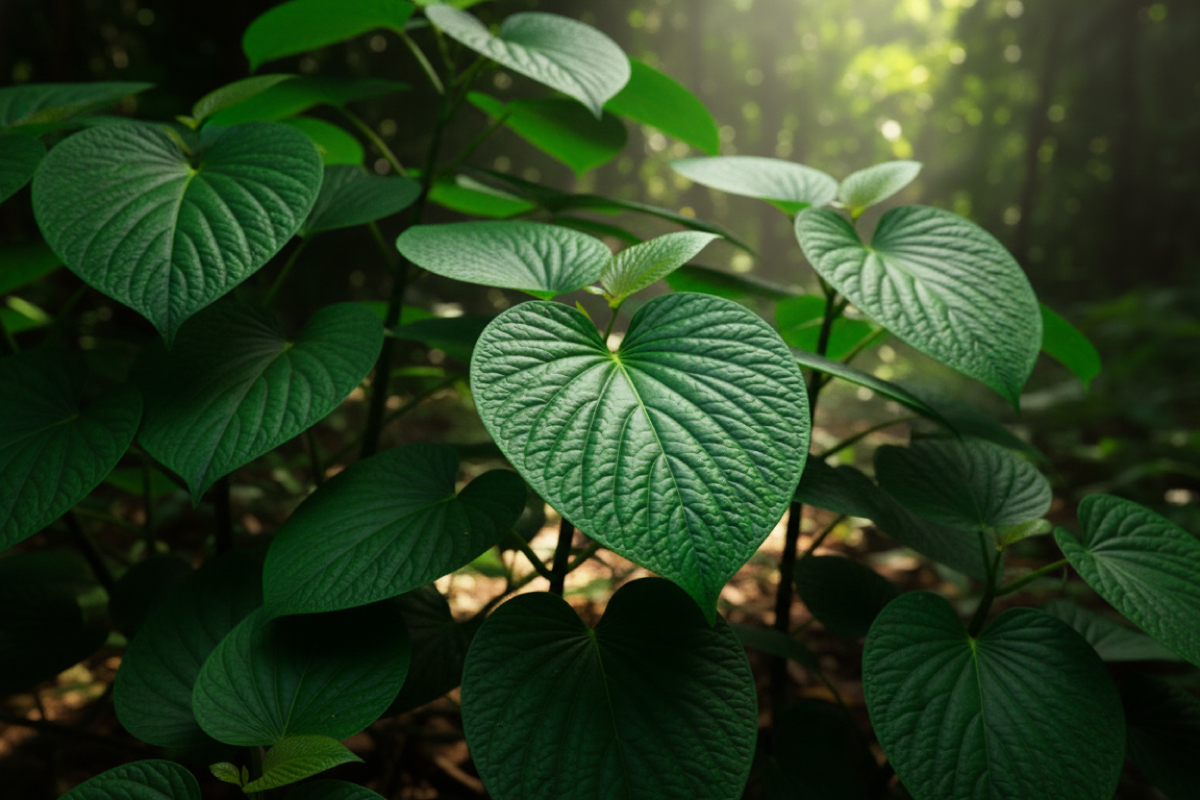
Kava comes from the root of the Piper methysticum plant, native to the islands of the South Pacific, including Fiji, Vanuatu, Tonga, and Samoa. For hundreds of years, it has been prepared and shared during ceremonies, celebrations, conflict resolution meetings, and everyday social gatherings. Its preparation was intentional and communal, reinforcing the idea that drinking was not a solo act, but a shared experience.
Traditionally, kava was mixed with water and consumed slowly while participants sat together, talked, listened, and reflected. There was no rush and no goal to “feel something fast.” Instead, the experience was designed to support conversation, patience, and mutual respect. In many cultures, refusing kava wasn’t just declining a drink — it meant opting out of the social moment itself.
The Science Behind the Calm
What makes kava unique isn’t just its history, but how it works in the body. Kava contains naturally occurring compounds called kavalactones, which interact with the nervous system in a way that promotes relaxation without impairing cognitive function. Unlike alcohol, kava doesn’t shut your brain down — it helps quiet the noise.
Research suggests that kava supports relaxation by influencing neurotransmitters linked to stress and anxiety, while allowing mental clarity to remain intact. This is why people often describe the experience as calm but social, relaxed but alert. You feel at ease in your body, yet fully present in the moment — a balance that alcohol rarely achieves.
Why Kava Feels Social — Not Sedating
Alcohol tends to blur the edges of social interaction. Conversations get louder, reactions get exaggerated, and clarity fades as the night goes on. Kava works differently. Instead of numbing awareness, it softens tension. Instead of pushing you outward, it helps you settle into the room.
This subtle effect is precisely why kava has long been used as a social tool rather than an escape. People remain engaged, articulate, and emotionally present. There’s no loss of control, no disorientation, and no next-day regret — just a steady, grounded sense of ease that makes connection feel more natural.
Why the World Is Rediscovering Kava Now
Today, more people are questioning their relationship with alcohol. Not necessarily because they want to quit socializing, but because they want to feel better — physically, mentally, and emotionally. Hangovers, anxiety, disrupted sleep, and lost mornings are no longer seen as a fair trade for a few hours of buzz.
Kava fits perfectly into this cultural shift. It offers a familiar ritual — holding a drink, sharing a moment, celebrating together — without the negative side effects. It’s not about abstaining from fun; it’s about redefining what fun feels like when clarity and well-being are part of the equation.
From Island Ceremonies to Modern Mocktails
While traditional kava ceremonies are deeply rooted in culture, modern lifestyles have opened the door for new expressions of the same ritual. Today, kava is finding its place in thoughtfully crafted mocktails — drinks designed not just to taste good, but to support how you want to feel during social moments.
By combining kava with complementary ingredients, modern mocktails preserve the spirit of the original ritual while making it accessible to a wider audience. The goal remains the same: connection, balance, and presence — just delivered in a form that fits today’s social settings.
The Role of Kava in Our Drinks
Kava is the foundation of our approach because it aligns with what social drinking should be. It supports relaxation without dulling the mind, encourages conversation without pushing excess, and helps create nights you actually remember — and mornings you don’t regret.
Our mocktails are built around intention, not intoxication. Kava doesn’t overpower the experience; it enhances it quietly, letting the moment — and the people in it — take center stage.
Ancient Wisdom, Modern Social Energy
In a world that often swings between extremes, kava represents balance. It’s neither about checking out nor going too far — it’s about being present, grounded, and connected. That’s why this ancient root feels more relevant than ever.
From island rituals to modern mocktails, kava has always served the same purpose: bringing people together in a way that feels natural, intentional, and human. And that’s a tradition worth continuing.